
Soft Washing vs. Pressure Washing: Which Does Your Home Need?
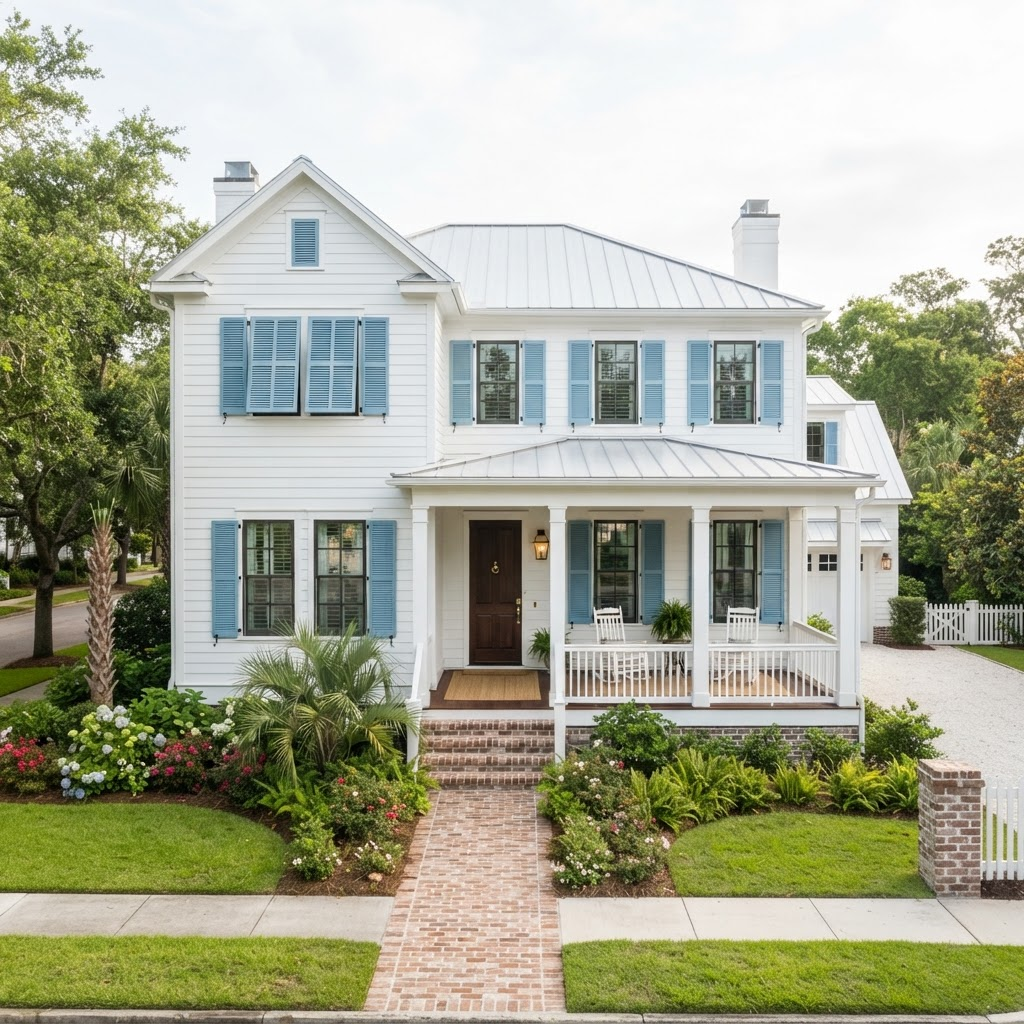
"Pressure washing" gets used as a catch-all, but professionals actually rely on two distinct methods. Choosing the right one for each surface is the single biggest factor in getting a great result without damaging your home.
What is pressure washing?
Pressure washing uses high-pressure water to blast away dirt, grime, and buildup. It's effective on hard, durable surfaces that can withstand the force without being damaged.
The power comes from water volume and pressure, not cleaning chemistry, which makes it ideal for surfaces where you mainly need to physically dislodge stuck-on material.
- Concrete driveways and walkways
- Paver patios and pool decks
- Retaining walls and durable masonry
What is soft washing?
Soft washing uses low pressure combined with cleaning solutions that break down organic growth like algae, mildew, and mold at the source, followed by a gentle rinse.
Because it relies on chemistry rather than force, it cleans delicate surfaces safely and treats the growth so results last longer than a surface-level rinse.
- Vinyl, fiber cement, and painted siding
- Roofs with algae streaks
- Stucco, screens, and softer materials
Why using the wrong method matters
High pressure on a roof can strip granules from shingles and force water underneath them. On siding, it can drive water behind panels or etch softer materials. On older surfaces, it can cause real damage that's expensive to fix.
That's why a professional assesses each surface first. The goal isn't maximum pressure, it's the right pressure for the material in front of us.
The bottom line for Lowcountry homes
Most homes need a combination: soft washing for siding and roofs, and pressure washing for concrete and hardscapes. If someone proposes blasting your whole house at high pressure, that's a red flag.